
CLIENT
Lines of Duality
TYPE
Academic Project: Illustration
YEAR
2025
BRIEF
CONCEPT
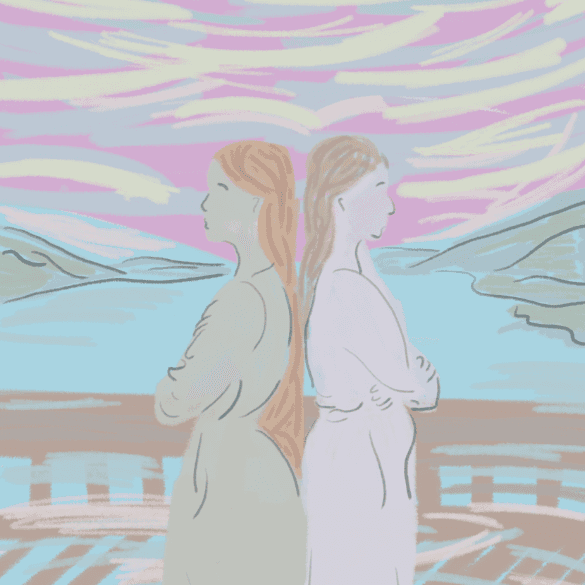
Inspired by Edvard Munch’s expressionist approach to portraying emotion, the concept explores the duality of emotions in online and offline spaces. Munch’s work often translates internal emotions into exaggerated forms, expressions and atmosphere. Taking inspiration from this approach, I explored how the same person can experience and express two different emotional states depending on whether they are online or offline. The online identity can be controlled, edited or presented in a certain way, while offline emotions can be more spontaneous, vulnerable and unfiltered. The illustration represents these two emotional states existing together within the same person.
INSPIRATION
The visual direction was influenced by the idea of expressing emotion through visual interpretation rather than literal storytelling. Edvard Munch became a key reference for his use of distortion, expressive forms and atmosphere to communicate internal emotions. The mood-board explored digital identity, social media culture, contrasting emotional states, expressive characters, distorted forms and pastel environments. The direction combined a softer, more visually pleasing aesthetic with expressive and distorted elements to create a contrast between the surface and the emotion underneath.

SKETCHES
The initial sketches explored different ways of visually representing two emotional states within one illustration. The subject and environment were developed together so that the composition could communicate the relationship between online and offline emotions. Different expressions, poses, forms and compositions were explored to find a way of showing the contrast without relying on written explanation. The sketches also helped establish the expressive quality of the illustration while keeping the main subject as the focal point.

DIGITAL ITERATIONS
The selected ideas were developed through digital drafts, allowing the composition, forms, colours and overall visual direction to be refined. The digital development explored how pastel colours, expressive forms and distortion could work together to represent different emotional states. The online and offline aspects were treated as connected rather than completely separate, reinforcing the idea that both emotions belong to the same person.

ILLUSTRATION
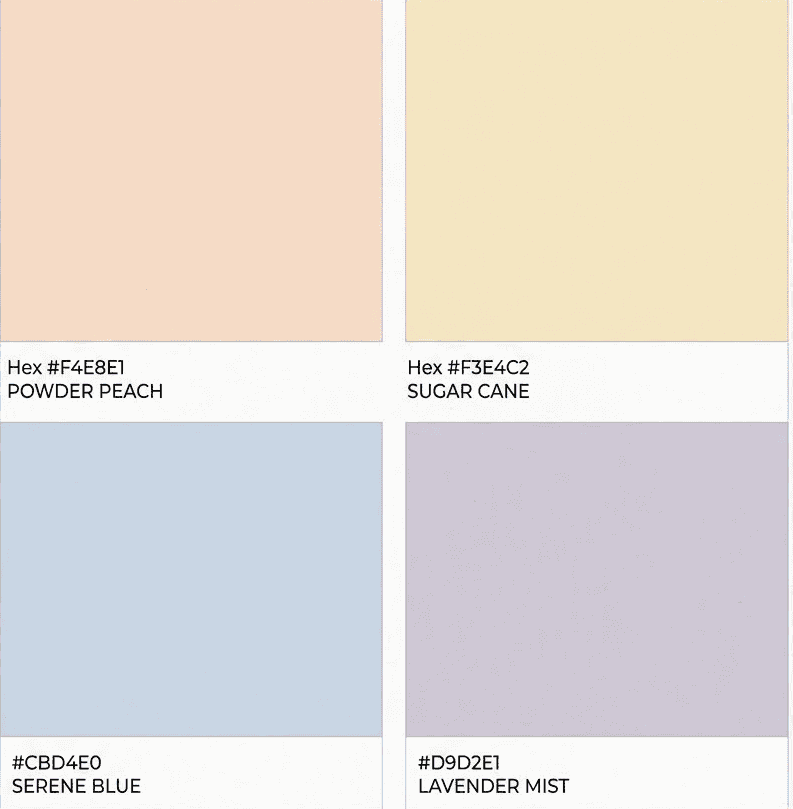
The final illustration represents the duality between online and offline emotions through contrasting expressions, forms, colours and atmosphere. The online side reflects the version of emotion that can be controlled or presented to others, while the offline side represents a more personal and unfiltered emotional state. The expressionist influence of Edvard Munch helped exaggerate and distort the visual elements to communicate the emotional tension between the two. The soft pastel palette was chosen to reflect the subtle and layered nature of emotions. Warm tones represent comfort and openness, while the cooler tones suggest distance and introspection. Together, they create a gentle contrast between the online and offline emotional states. The final artwork leaves room for interpretation, allowing the viewer to question what is being shown, what is being hidden and how different our online and offline emotions can be.
MOCKUPS


